
Where should a porta potty go on a job site or yard?
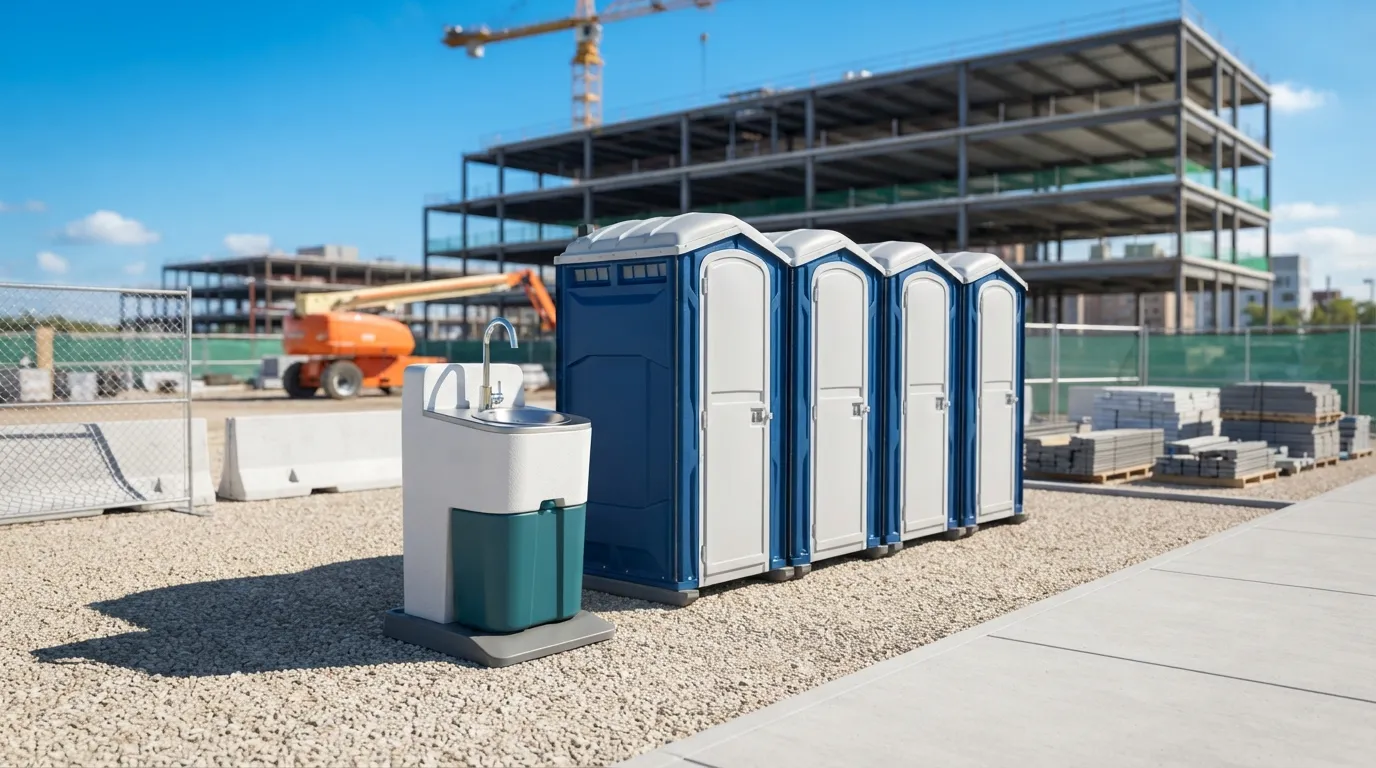
Pick flat, stable ground within reach of a service truck, not tucked behind a fence line the driver cannot access. ADA Standards section 302.1 calls for surfaces that are stable, firm and slip resistant, which rules out loose gravel or soft turf on a construction lot. Keep the door swing clear and leave walking room, since a standard porta potty rental runs about 44 by 48 inches on the ground and stands roughly 92 inches tall. On tight urban lots in North Las Vegas, that footprint still needs a straight approach; if you are also renting a roll-off dumpster rental, remember the truck needs about 60 feet of straight clearance behind it to set the box down safely. Avoid low spots that pool water and keep units away from building air intakes. If you are unsure how many units a layout needs, the how many porta potties do I need guide walks through headcounts, and our porta potty placement guide principles apply the same way to a backyard wedding as a downtown build site.
Do I need a permit to place a unit in North Las Vegas?
Sometimes, and it depends on whether the unit sits on private property or touches the public right of way. Placement fully inside a private lot generally does not trigger the same review as a unit set on a sidewalk, parking strip or street-adjacent easement. Because dumpster placement permit cost and rules vary by exact location, confirm directly with the City of North Las Vegas before setting anything in the right of way. The same logic applies if you are scheduling a roll-off dumpster rental alongside your restroom order. Read through dumpster permit requirements and porta potty permit requirements before delivery day, since a truck turned away at the curb costs you a trip fee and a delay. Our crews serve sites as close as 4.7 miles southeast in Nellis AFB and as far as 15.2 miles south in Winchester, and every one of those deliveries starts with a quick placement check.
What clearance and access rules matter most?
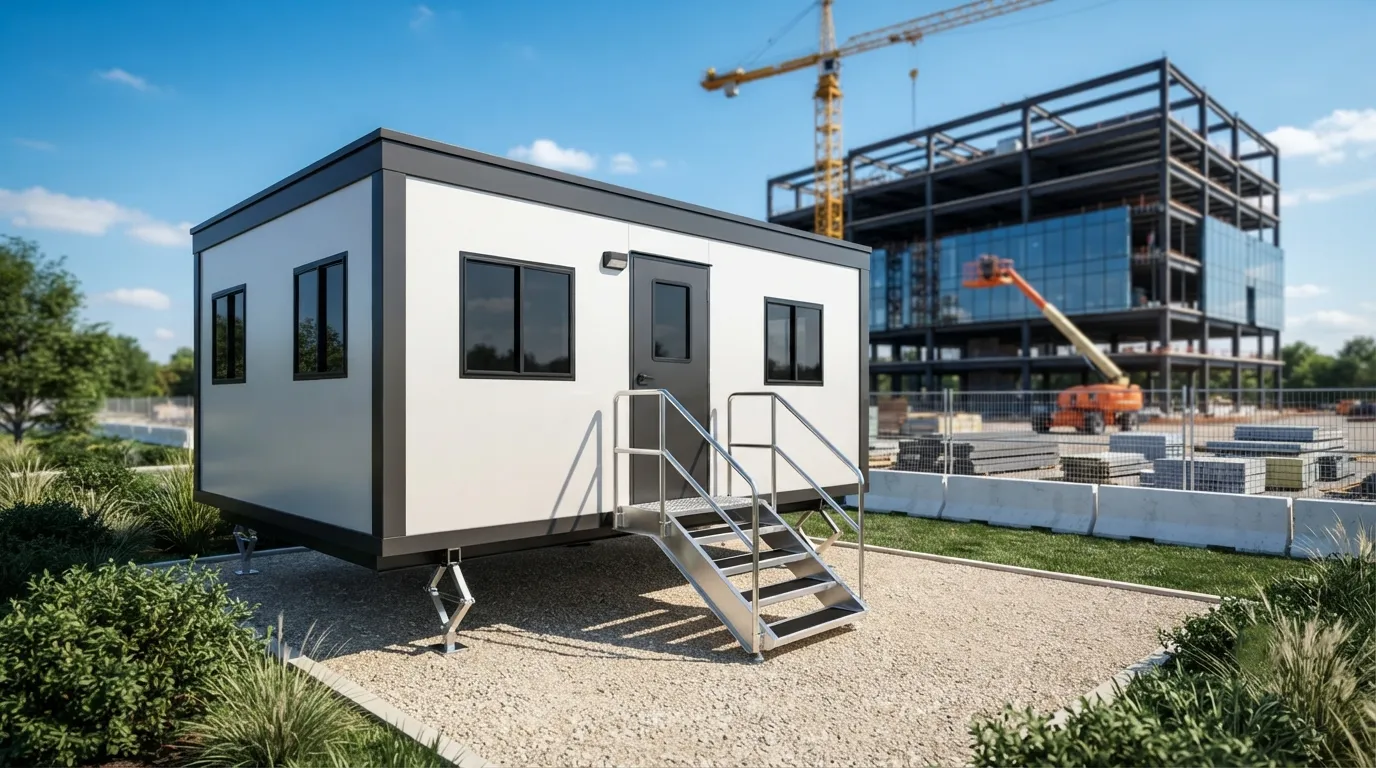
Access is the rule that gets skipped and causes the most callbacks. ADA Standards section 403.5.1 sets a 36 inch minimum clear width on any accessible route, and section 404.2.3 sets a 32 inch minimum door opening, so an ADA accessible porta potty needs a path that meets both before it counts as compliant. Where units are clustered for an event, ADA Standards section 213.2 requires at least 5 percent of the cluster to be accessible units, never fewer than one. Turning space matters too: section 304.3.1 calls for a 60 inch diameter turning circle in front of the unit. On a construction site, keep housekeeping in mind under OSHA 1926.25, since scrap and debris piled near a restroom door becomes a tripping hazard fast. If your project also involves a storage container rental or a mobile office trailer rental, site the trailer first, since replacement doors and hardware on a mobile office trailer are harder to source mid-project than a swapped porta potty location. The same goes for a portable sink rental: Ozark River portable sink replacement parts are a specific fit, so confirm the unit model before ordering spares rather than after a part fails on site.
How many units and how far apart should they be spaced?
Spacing depends on headcount and how spread out the crew or crowd is. OSHA 1926.51(c) sets the baseline for construction crews: one toilet facility for 20 workers or fewer, then one toilet seat and one urinal per 40 workers as the count climbs past 20, dropping to one per 50 once you pass 200 workers. ANSI/PSAI Z4.3 treats one service visit per week as the baseline interval for up to 10 users over a 40 hour week, which is why high-traffic events need more frequent pumping, not just more units. For farm sites, OSHA 1928.110 calls for field sanitation facilities within a quarter mile walk of hand-labor employees, one per 20 workers. Spread units across a large lot rather than clustering them all at one entrance, and pair each cluster with a handwashing station rental or hand sanitizer station rental nearby. For events in North Las Vegas expecting heavy turnout, check event restroom rental or festival restroom rental guidance for spacing that matches crowd flow instead of a flat headcount formula.
How much does delivery and placement cost?
Delivery fees run 100 to 500 dollars depending on distance and timing, with day rates typically landing near 150 dollars. A standard unit itself runs 100 to 350 dollars a day. See porta potty rental cost for the full breakdown by duration.
Can a porta potty sit on pavement or asphalt?
Yes, pavement is often the best surface since it is flat and firm, meeting the stability standard under ADA Standards section 302.1. Avoid soft asphalt on extremely hot days, since a unit can sink slightly and tilt.
Does the unit need to be near a water line?
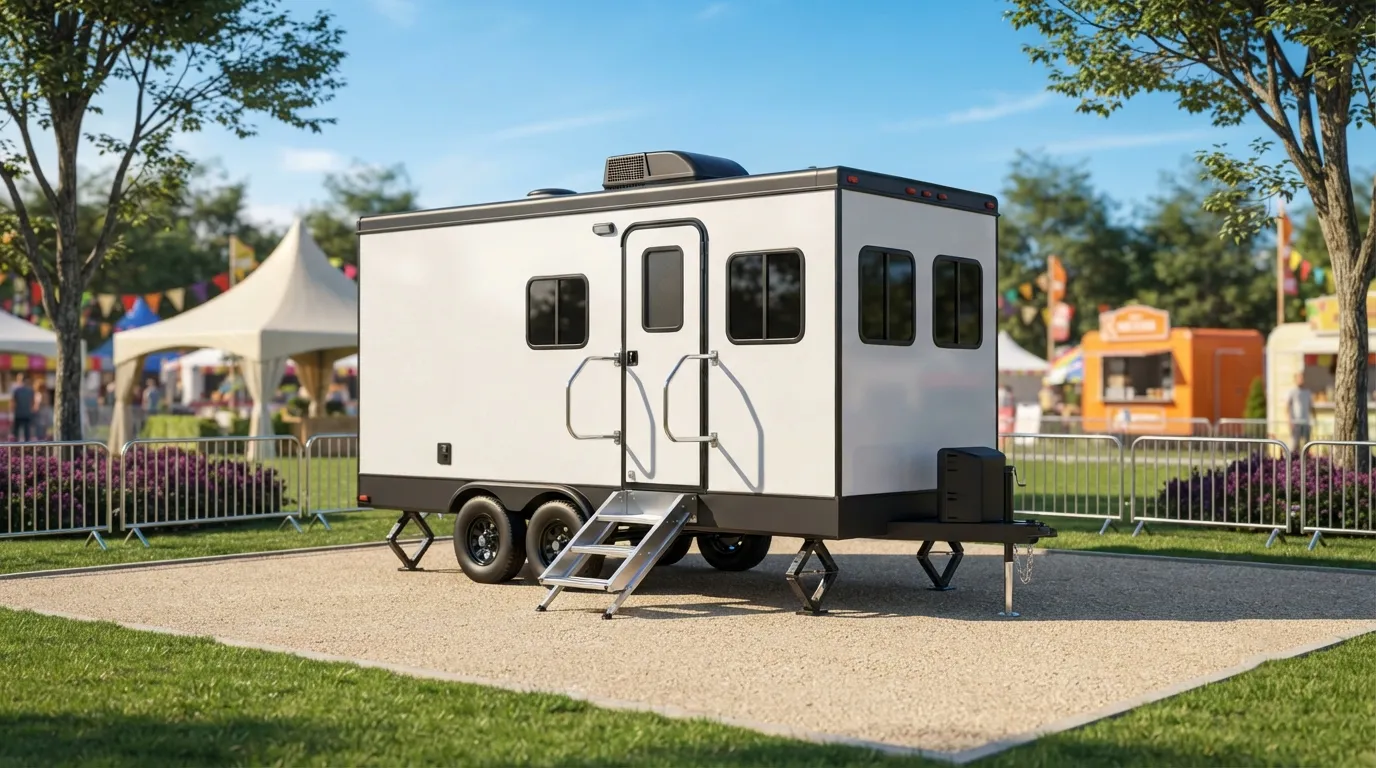
No, standard units are self-contained with a 60 to 70 gallon holding tank and need no plumbing hookup. A deluxe flushable porta potty or restroom trailer rental may need a water source depending on model.
What if my septic system backs up instead of using a rental?
That is usually a sign the tank needs pumping, often every 3 to 5 years depending on tank and household size. Check septic tank warning signs and schedule septic pumping service before it overflows.
Is a grease trap placement different from a septic tank?
Yes, a grease interceptor is pumped once fats, oils, grease and solids reach 25 percent of the liquid depth, which happens faster than a residential tank fills. See grease trap pumping for scheduling details relevant to restaurants and commercial kitchens.
Next step
Get a delivery date
Tell us the address, the dates and the headcount. We size the order and confirm the route.